Wildlife in distress
Our Emergency Animal Rescue fund that allows us to act immediately for animals that are wounded, orphaned or in another type of distress.
100% of your gift goes to the project
Why the fund exists
Animals that could not be helped
The Emergency Animal Rescue fund of Omogolo Wildlife Trust was born after we kept receiving reports of wild animals that were sighted with problems and, for various reasons, could not be helped:
-
Lioness
A lioness with a metal ring grown into the skin of her neck. It had been there for years and now threatened to kill her, as she had problems breathing.
-
Wild dog puppies
A den of emaciated Wild Dog puppies, the mother nowhere in sight. She was later found dead, poisoned by a farmer protecting his cattle.
-
Elephant
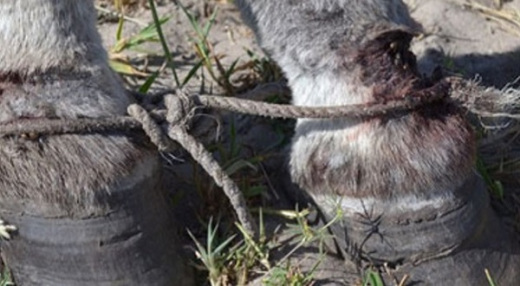
An Elephant hardly able to walk due to a massive infection in his leg.
Examples of animals that needed immediate help. When funding is in those cases not immediately available, time to raise the funding is too short.
The primary objective of the Emergency Animal Rescue fund is the rescue and, if necessary, the rehabilitation of wildlife in distress.
Funding might be needed for
- medication
- veterinary help
- transport of the animal
With help of our donors we can create a reserve for these cases, making it possible to react swiftly and to successfully rescue the animals.
Who can use the Emergency Animal Rescue fund?
Basically anybody.
-
Report
A report of a wounded or orphaned animal is received.
-
Assessment
The case is assessed and a rescue plan made. This is done together with a vet and a government wildlife officer.
If the funds are available
Action can be taken immediately.
If additional funding is needed
We will try to get the necessary amount together with the help of our donors and/or other organizations with similar objectives.
Our first success A young Elephant bull
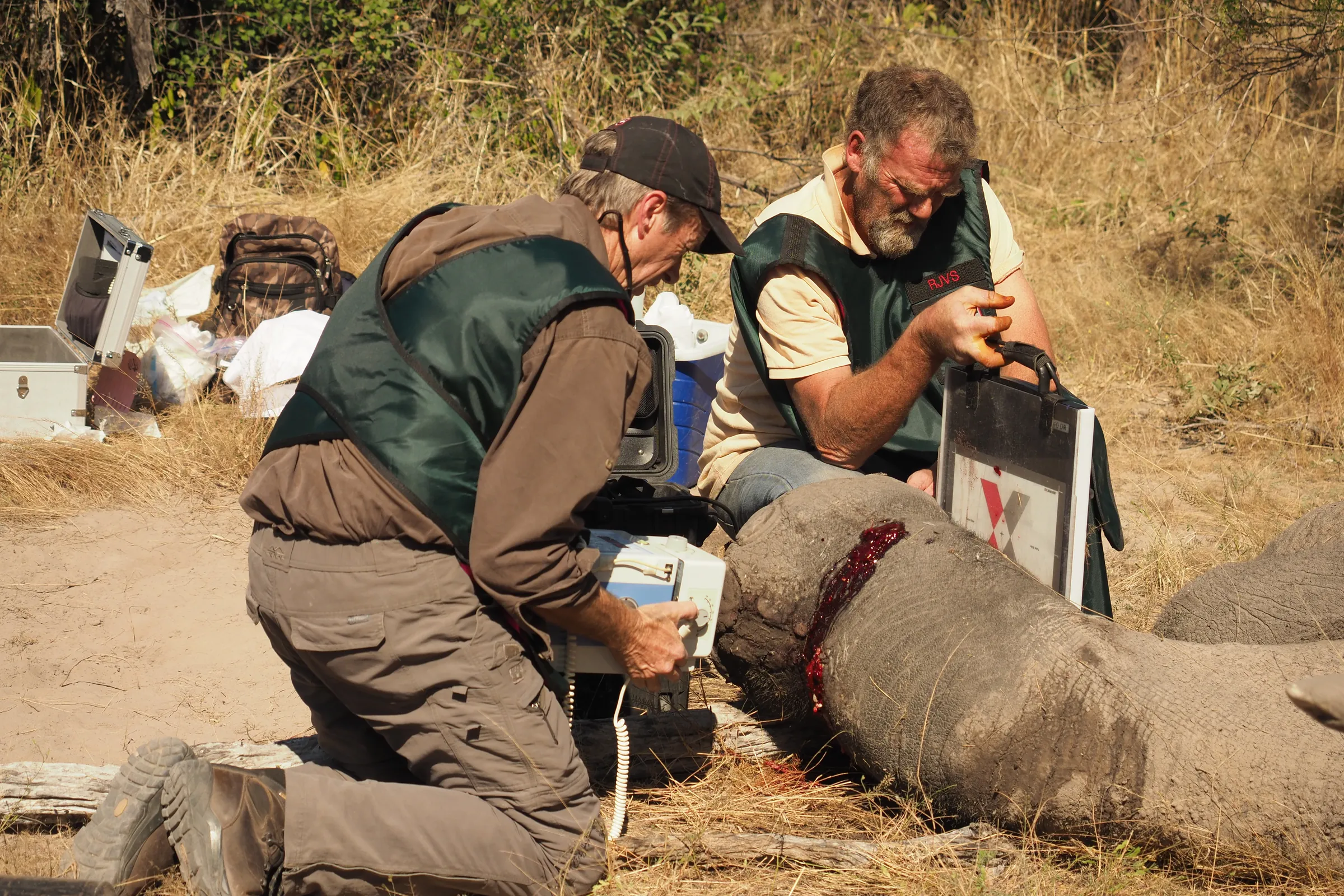
Our first rescue effort was for a young Elephant bull, seen in the area South of the Okavango Delta, with a serious wound in one front leg. In the two months after the first report the Elephant was not sighted anymore. When he was next seen, he could hardly move and had become very thin.
A team of veterinary and wildlife officers was brought together, the Elephant was immobilized, the wound cleaned, X-rays taken, antibiotics administered and an hour later the Elephant was back on his feet.
Slowly his leg went back to normal, and we saw him socializing with other Elephants again.
We keep getting reports that he is doing well!
Give to the rescue fund-
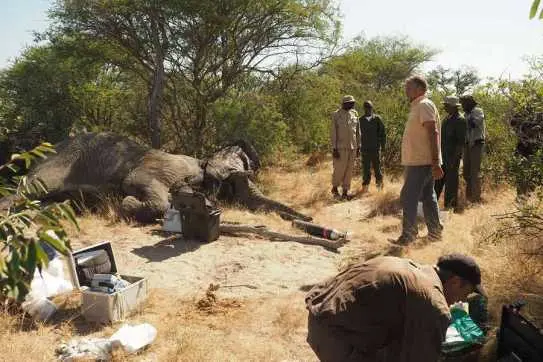
Immobilization of a young bull Elephant with heavily infected leg. -
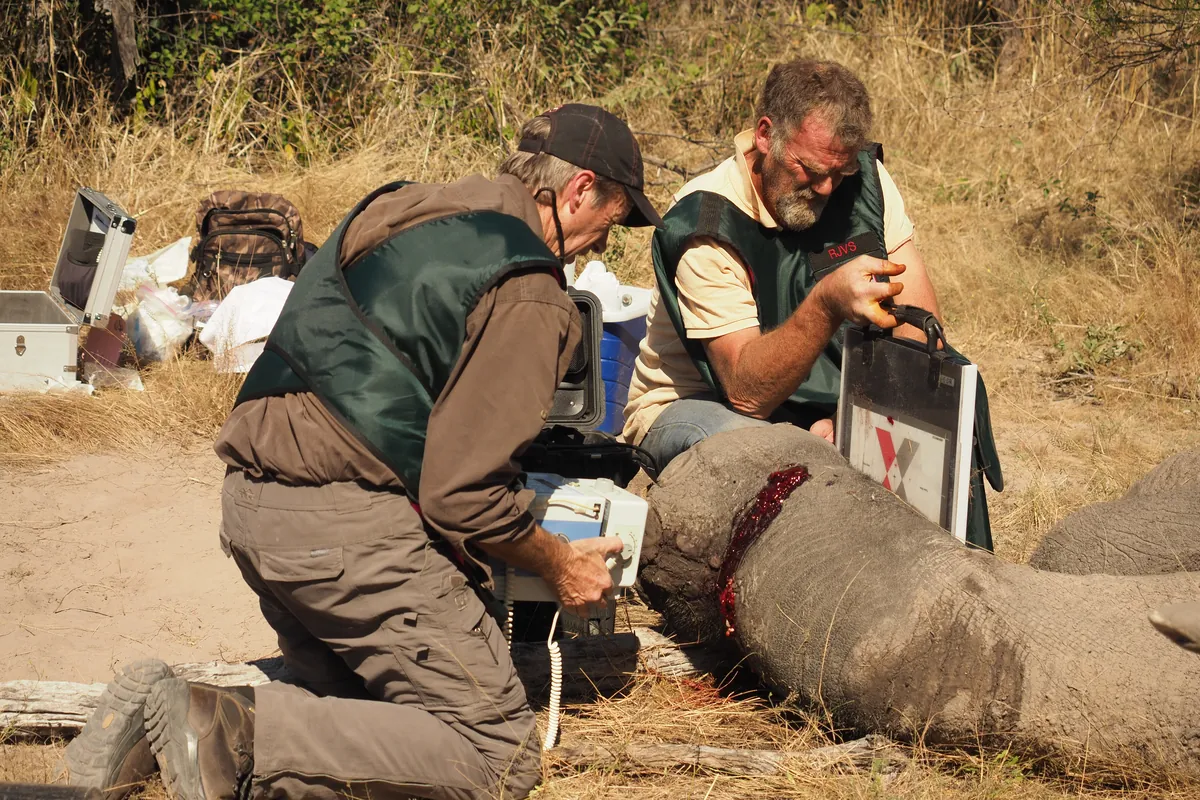
Check for foreign object in leg and cleaning of the wound. -
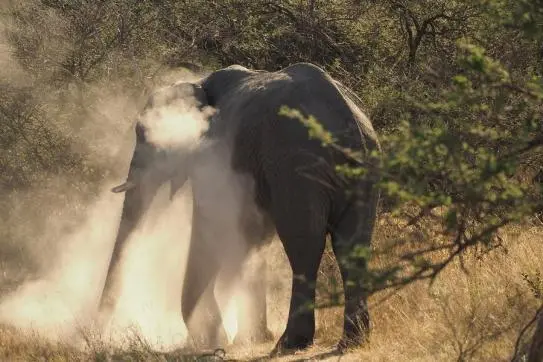
3 weeks later: swelling going down, walking much better, showing normal behavior.
Other rescues
More animals the fund helped
-
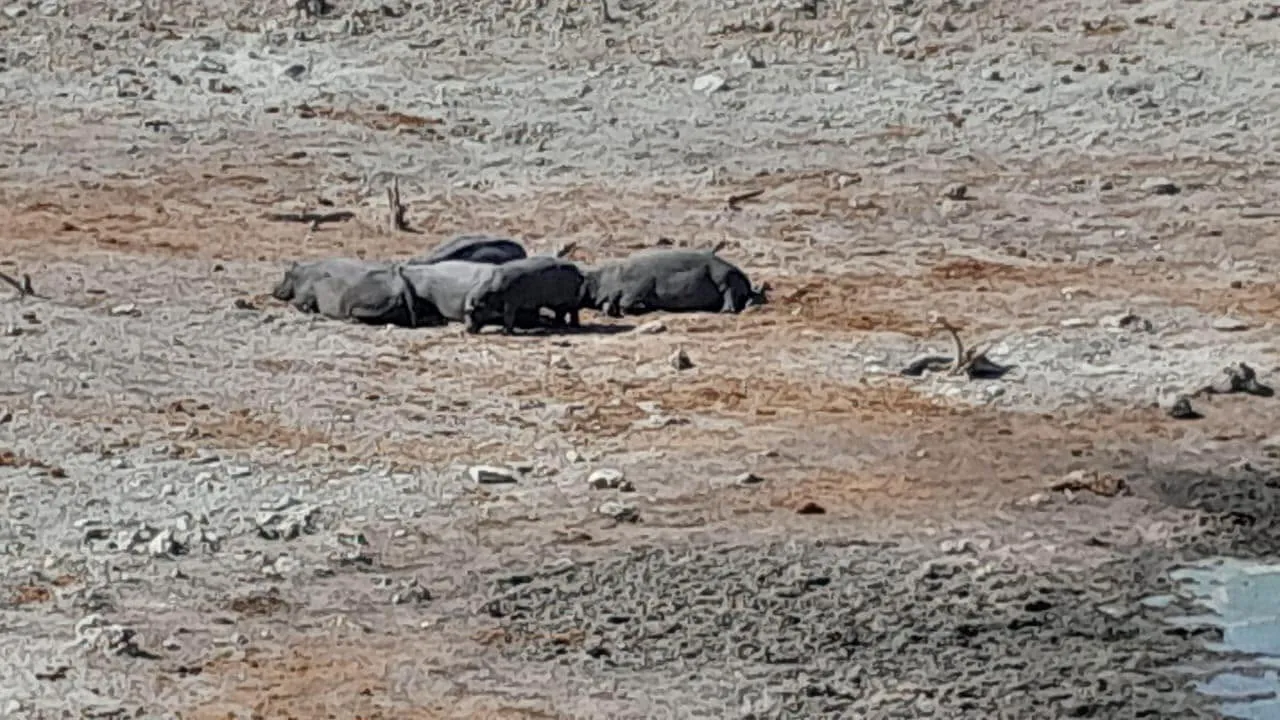 Botswana
Boteti Hippos starving
A pod of around 20 Hippopotamus suffered during an extreme and extended period of drought in Botswana. They were in the dry riverbed of the Boteti River in Botswana, far away from food and water and too weak to walk the distance. We donated towards the rescue operation to bring hay and water to them, together with other concerned individuals and organisations. One severely weakened older male died; the others made it to the first rains!
-
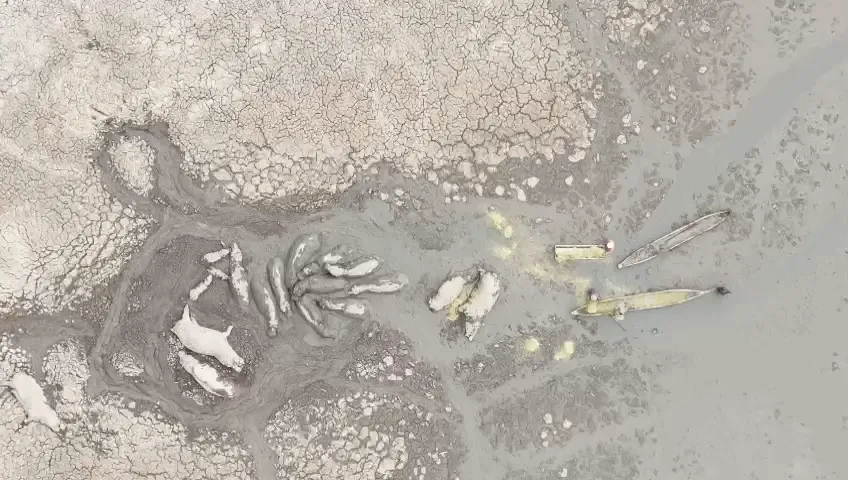 Botswana
Ngami Hippos stuck in mud
During the 2022 dry season in Botswana, Lake Ngami had dried up, leaving a small amount of water in the middle of what was the lake. Some Hippos tried to reach that bit of water but got stuck in the mud on their way. They could not move and were dying from hunger and thirst. A rescue operation was set up and we were asked to help. Wildlife Officers, with some community volunteers, helped move the hippos from the mud and directed them to a channel where they would be able to access water and food. Once they gained some strength, they were relocated to Moremi Game Reserve.
-
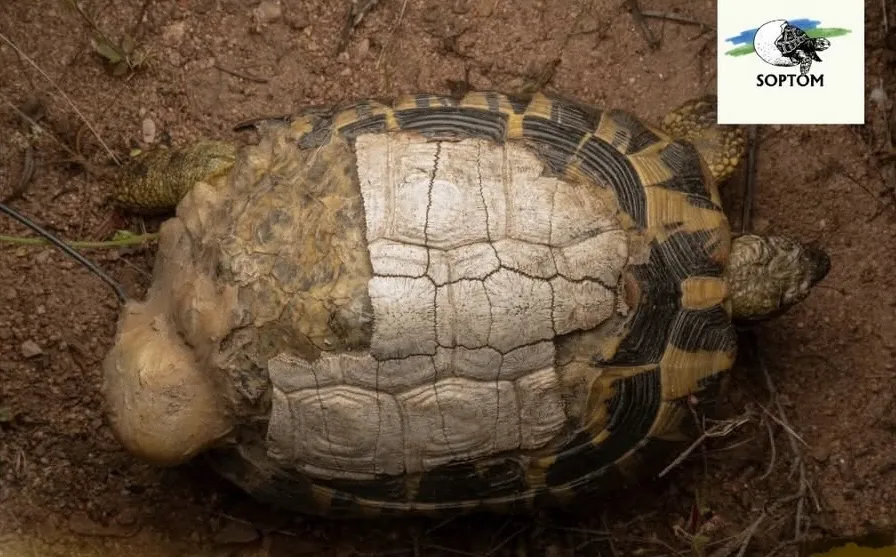 France
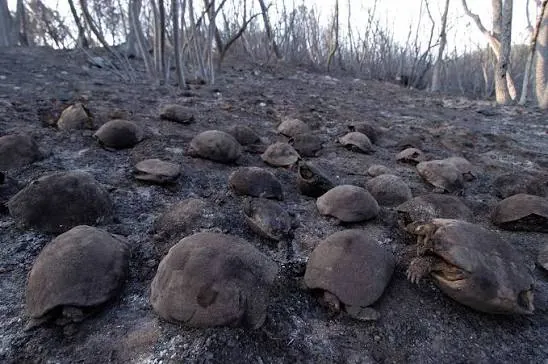
Burned Turtles in Gros Bessillon
During the severe wildfires in the summer of 2026, an area of 5,700 hectares was burned in the Gros Bessillon, a nature area in the Var, France. Many animals died, especially the slow-moving ones. Many turtles that had been able to bury themselves in the ground survived but were severely wounded. The Village des Tortues in Carnoules received an overwhelming number of those Turtles. We helped with a donation towards their expenses for medical treatment and repair of the burned shells.
Give to Emergency Animal Rescue
100% of your donation goes to this project. We work for the foundation on an unpaid basis and cover bank charges and other overhead costs out of our own pockets.