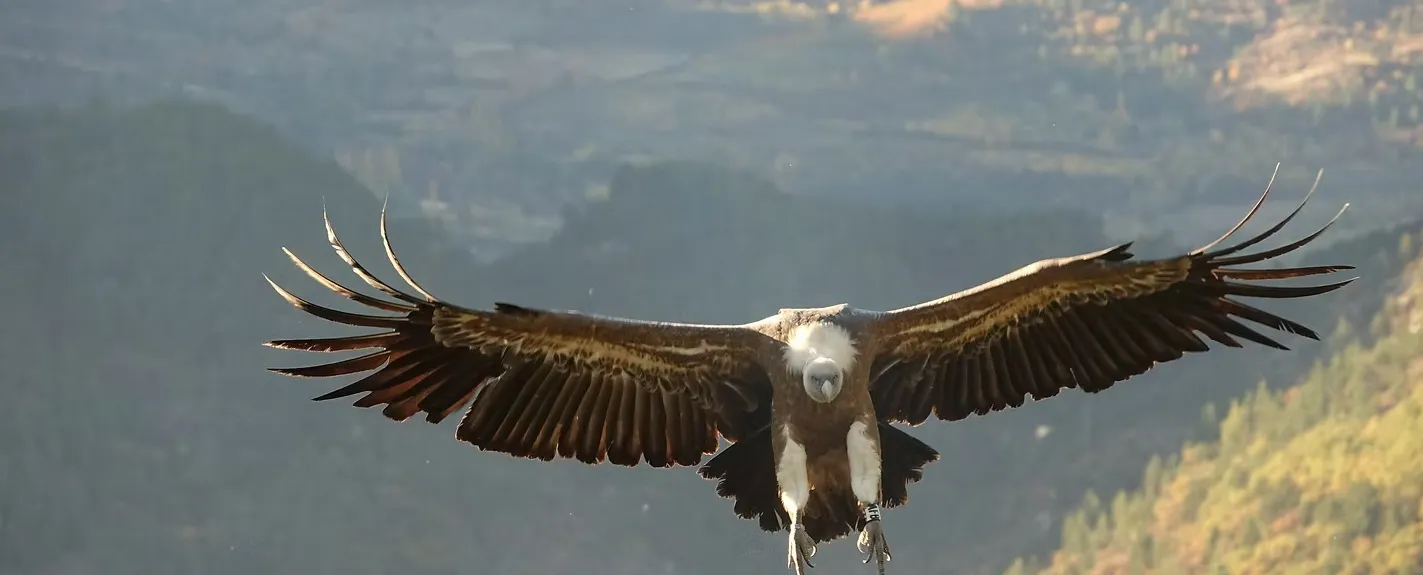
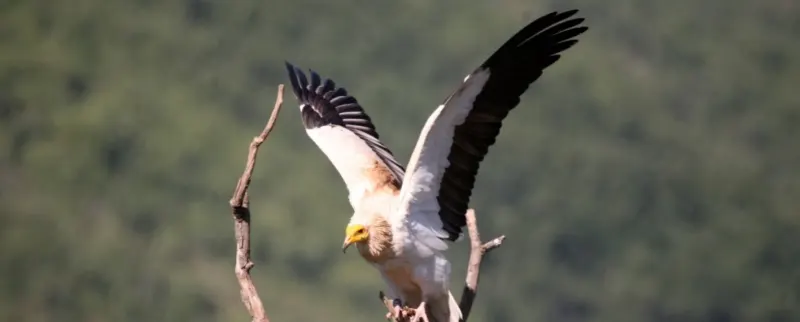
A Griffon Vulture with wings spread wide glides towards the camera over a wooded valley of the Baronnies

Vultures in France

High-Tech GPS Trackers and Farmer-managed feeding stations to restore and protect the Vultures in the Baronnies massif.

Donate to this project

100% of your gift goes to the project

Extinct until 1996

Founded in 1992, Vautours en Baronnies works to reintroduce and monitor the four vulture species found in Europe in the Baronnies mountain range. The association is based in Rémuzat, in the Drôme region of southeastern France.

After more than a century of absence, vultures gradually returned to the skies of the Baronnies thanks to the reintroduction programmes led by the association. The Griffon Vulture was reintroduced from 1996, followed by the Cinereous Vulture in 2004 and the Bearded Vulture from 2016. The Egyptian Vulture returned naturally.

Missions

Since its creation, Vautours en Baronnies has carried out many actions to protect vultures and their habitats:

  1. Vulture reintroduction

    The reintroduction of the Bearded Vulture is still ongoing.

  2. Monitoring the four species

    Monitoring breeding pairs and populations.

  3. Scientific studies

    Ringing reintroduced birds and some chicks born in the wild. Adults are also captured for health and scientific monitoring.

  4. GPS tracking

    Tracking the birds’ movements and their survival.

  5. Reducing threats

    Poisoning, electrocution on power lines, illegal shooting, disturbance and more.

  6. Natural carcass disposal

    Setting up and running a natural carcass disposal service with local farmers.

  7. Public and school awareness

    Guided visits and educational activities about vultures and biodiversity, for the public and for schools.

  8. The Maison des Vautours

    A museum that welcomes more than 15,000 visitors a year, free of charge.

Four vulture species

Where each of the four species stands in the Baronnies today.

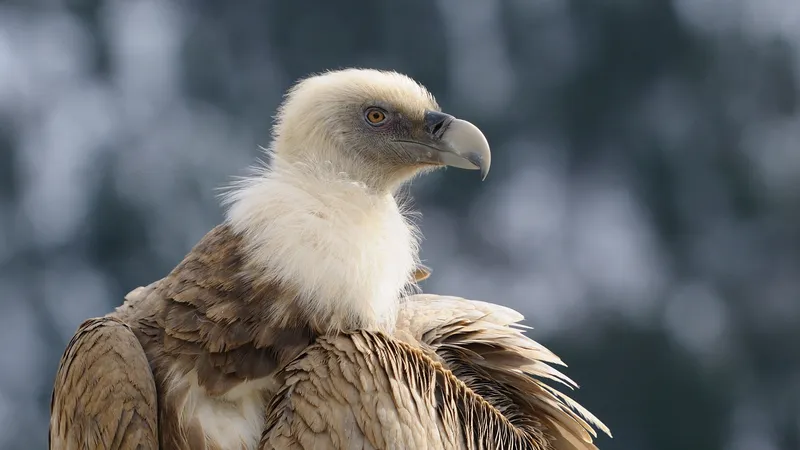
  • A Griffon Vulture with a pale fluffy ruff and a grey hooked beak looks out over its shoulder Photo: C. Tessier

    Griffon Vulture

    Vautour fauve

    Reintroduced from 1996, the Griffon Vulture is one of the main successes of the reintroduction programmes in the Baronnies. Its colony is now the largest in the Alps, with around 370 breeding pairs.

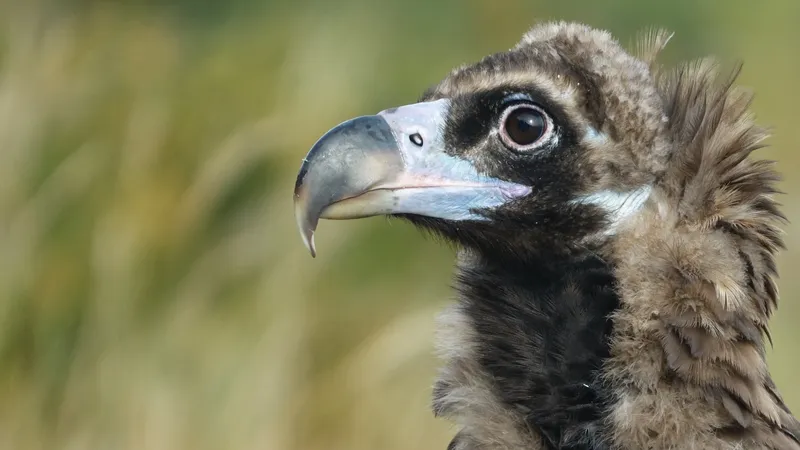
  • Head and shoulders of a Cinereous Vulture with dark plumage and a pale hooked beak Photo: C. Tessier

    Cinereous Vulture

    Vautour moine

    France’s rarest vulture. Reintroduced from 2004 after it had disappeared from France completely. France now has three population areas, all of them the result of reintroduction programmes. Despite these efforts the species remains fragile, with around 50 breeding pairs.

    The year 2026 confirms the decline in southeastern France: only 4 young birds fledged, 3 in the Baronnies and 1 in the Verdon.

  • An Egyptian Vulture with white and black wings raised lands on a bare branch

    Egyptian Vulture

    Vautour percnoptère

    After disappearing from the Baronnies in 1981, the Egyptian Vulture returned to the area by itself, partly thanks to the return of the other vulture species. It remains very rare, with only one breeding pair in the Drôme.

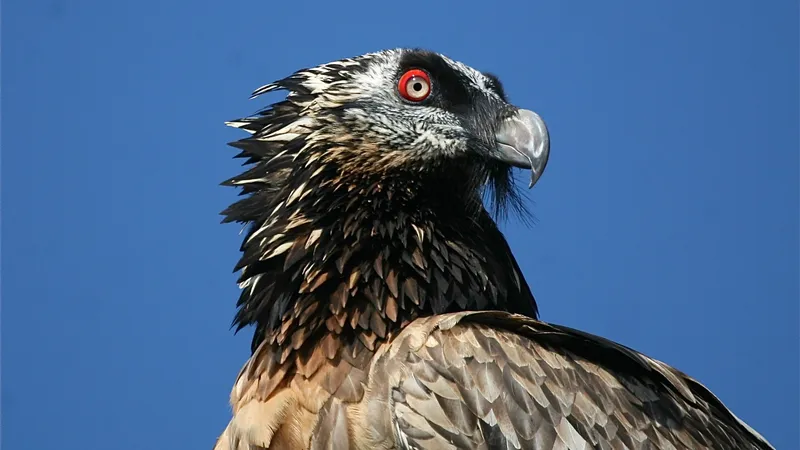
  • Portrait of a Bearded Vulture with a red ring around its eye and a black bristly beard, against a deep blue sky Photo: Julien Traversier

    Bearded Vulture

    Gypaète barbu

    Reintroduced in the Baronnies from 2016 under the European LIFE Gyp’Connect programme, followed by LIFE Gyp’Act. The aim is to help rebuild the Bearded Vulture populations of the Alps and the Pyrenees and to reconnect them. In 10 years, 20 Bearded Vultures have been released.

Cinereous Vulture

Some documented cases of mortality in recent years

Funding objectives

GPS tracking and coexistence with farmers

To contribute to the long-term conservation of the four species, Omogolo Wildlife Trust supports the fieldwork of Vautours en Baronnies. The funding goes to two essential needs: GPS tracking of the birds, and keeping the natural carcass disposal service running with local farmers.

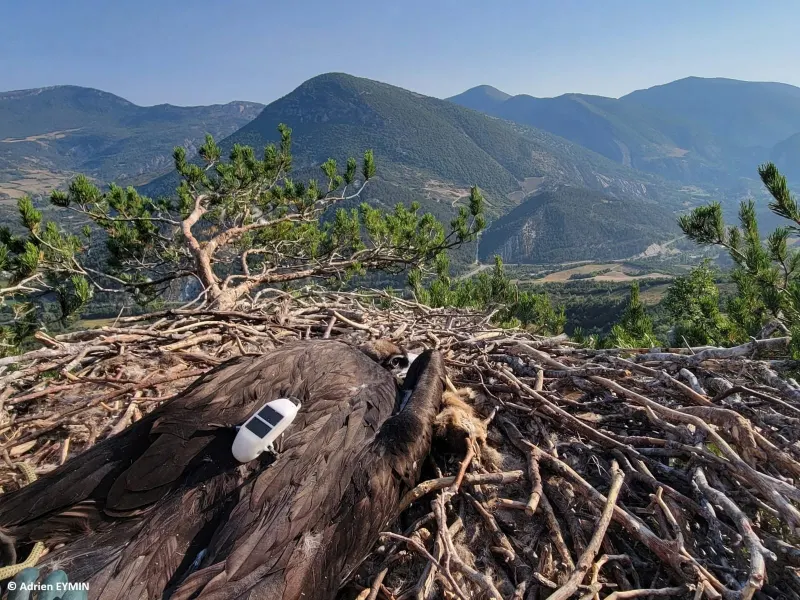
A vulture with a white solar-powered GPS tag on its back lies on a large stick nest, with the mountains of the Baronnies behind
A vulture with a solar-powered GPS tag on its back.
  • Monitoring the territory using GPS tracking

    GPS tags show where the birds go and how they disperse, and they add to what is known about their survival and causes of death.

    Tagged vultures also act as sentinels of the territory. Griffon Vultures are often among the first to find and reach a carcass, so their GPS movements help identify feeding sites and unusual behaviour.

    A sudden concentration of birds in one place, followed by a tagged bird that stops moving, can point to a problem and trigger a field investigation. This is particularly useful for detecting poisoning, electrocution or illegal shooting. When needed, the GPS data also helps the investigations.

    Each GPS tag is a significant investment, but it provides essential data for conservation work.

  • Feeding sites supporting local farmers

    Vulture conservation also depends on good coexistence with farming. In the Baronnies, the association works with more than 100 sheep and cattle farmers on natural carcass disposal.

    Feeding sites let farmers dispose of their animals’ carcasses naturally, while giving the vultures a local and controlled source of food. Donations help to set them up and keep them running.

Your donation

What will your donation support?

By contributing to this project, your donation directly supports the fieldwork for the four vulture species of the Baronnies. Besides GPS tags and feeding sites, it helps pay for the equipment used to ring and follow the birds, and for the care of those in difficulty.
Project partner

Vautours en Baronnies