Chimpanzees in DR Congo
Medical care, food and long-term rehabilitation for orphaned Chimpanzees at the Lwiro Primate Rehabilitation Center in the Democratic Republic of Congo.
100% of your gift goes to the project
Latest news
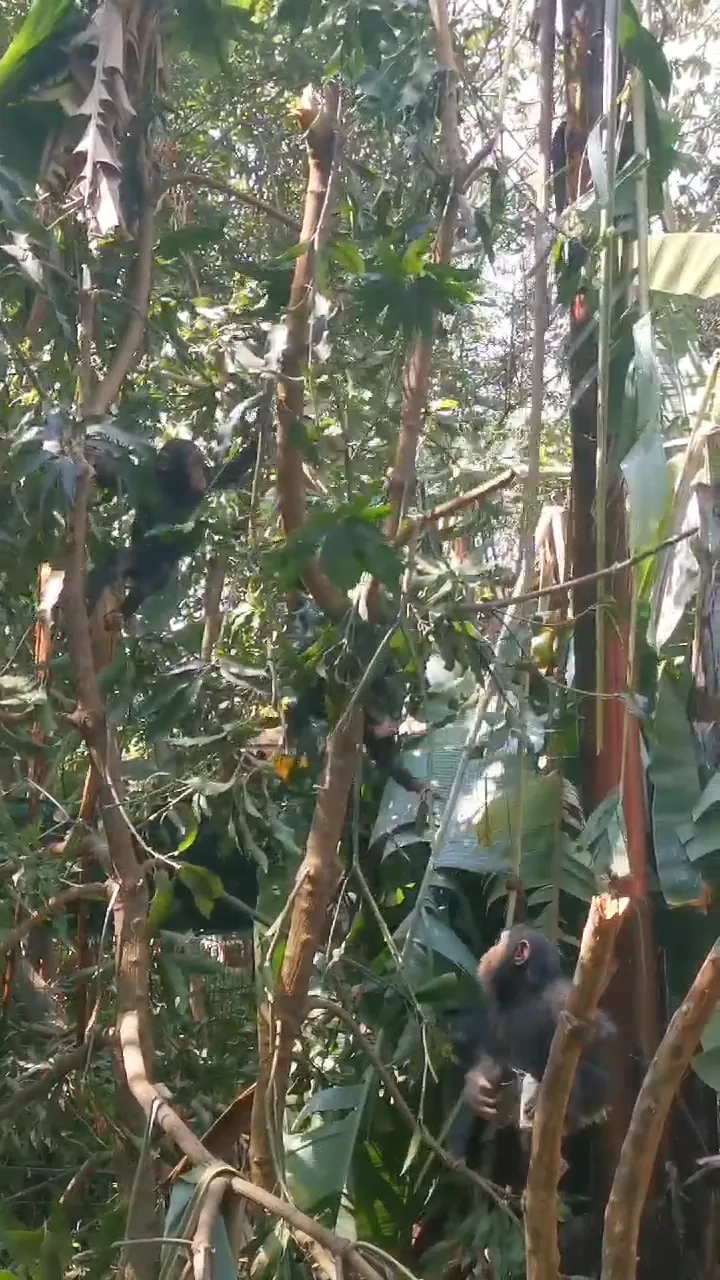
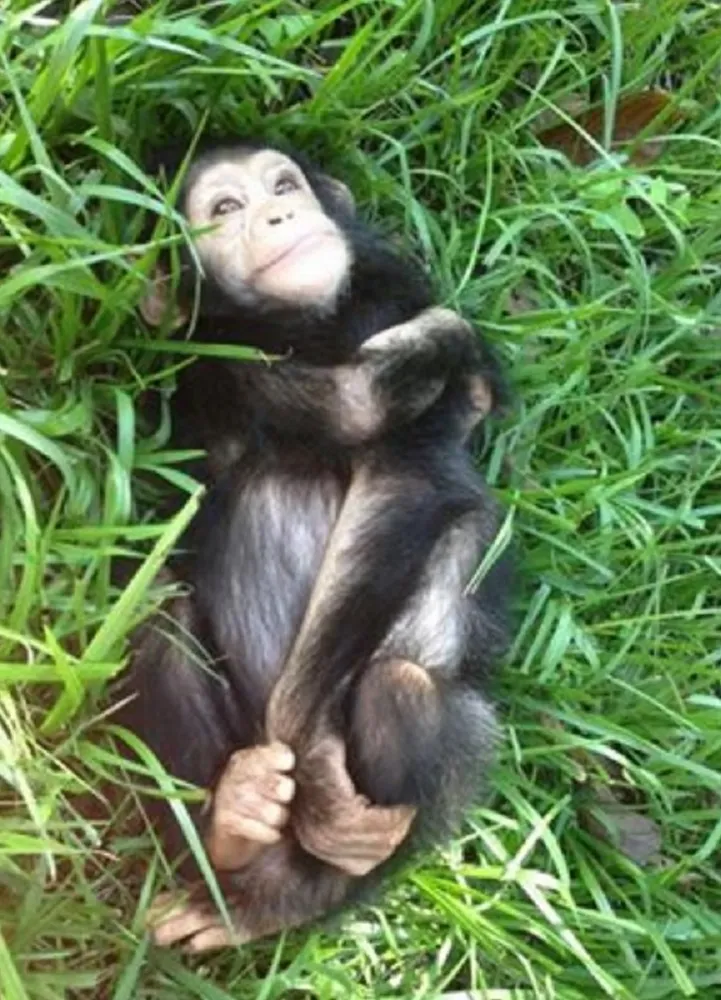
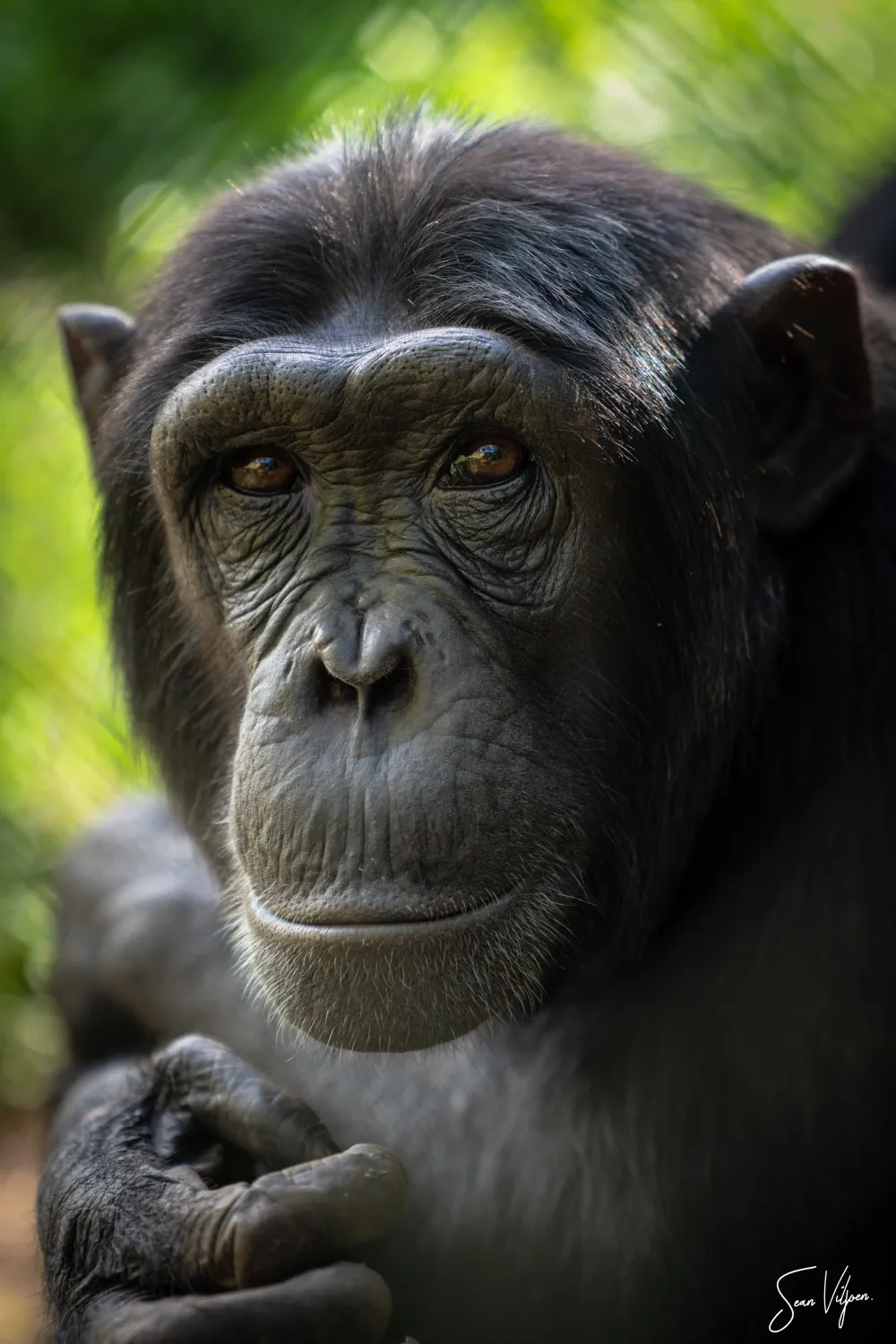
Juwa in the sunshine at Lwiro
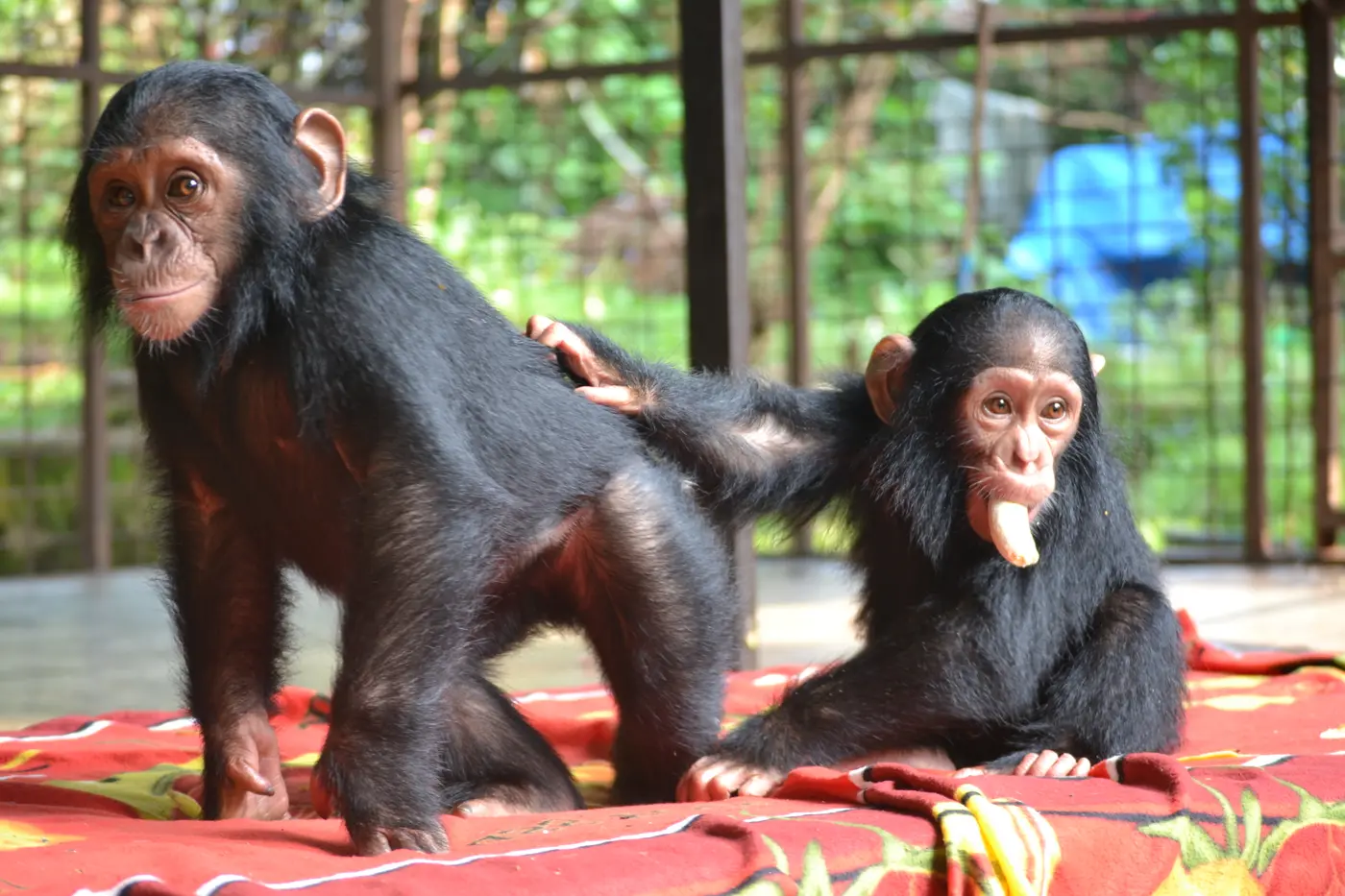
Omogolo Wildlife Trust has supported Lwiro for many years through several donations for Chimpanzee care and by helping to expand the Chimpanzee nursery, providing more and better space for young rescued orphans.
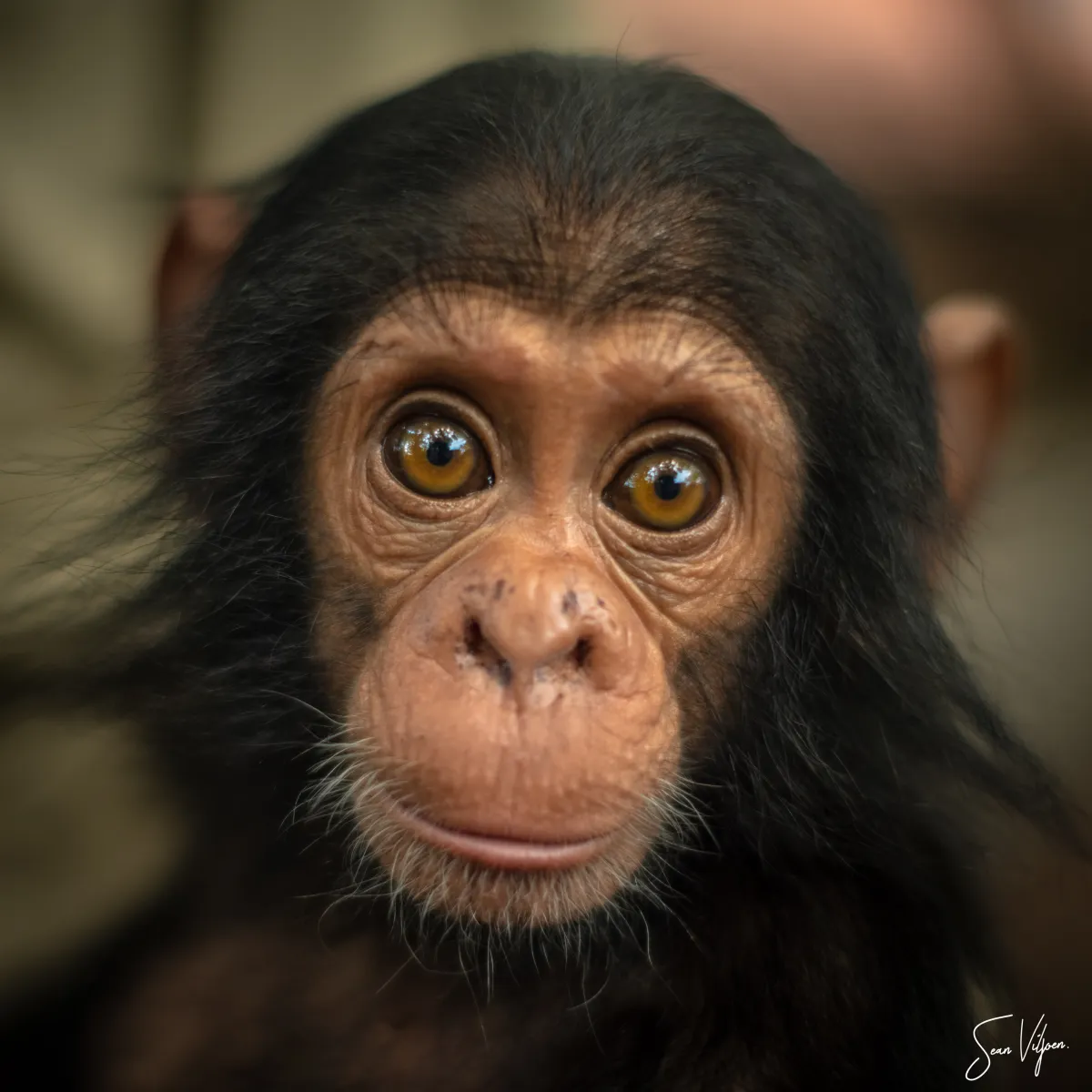
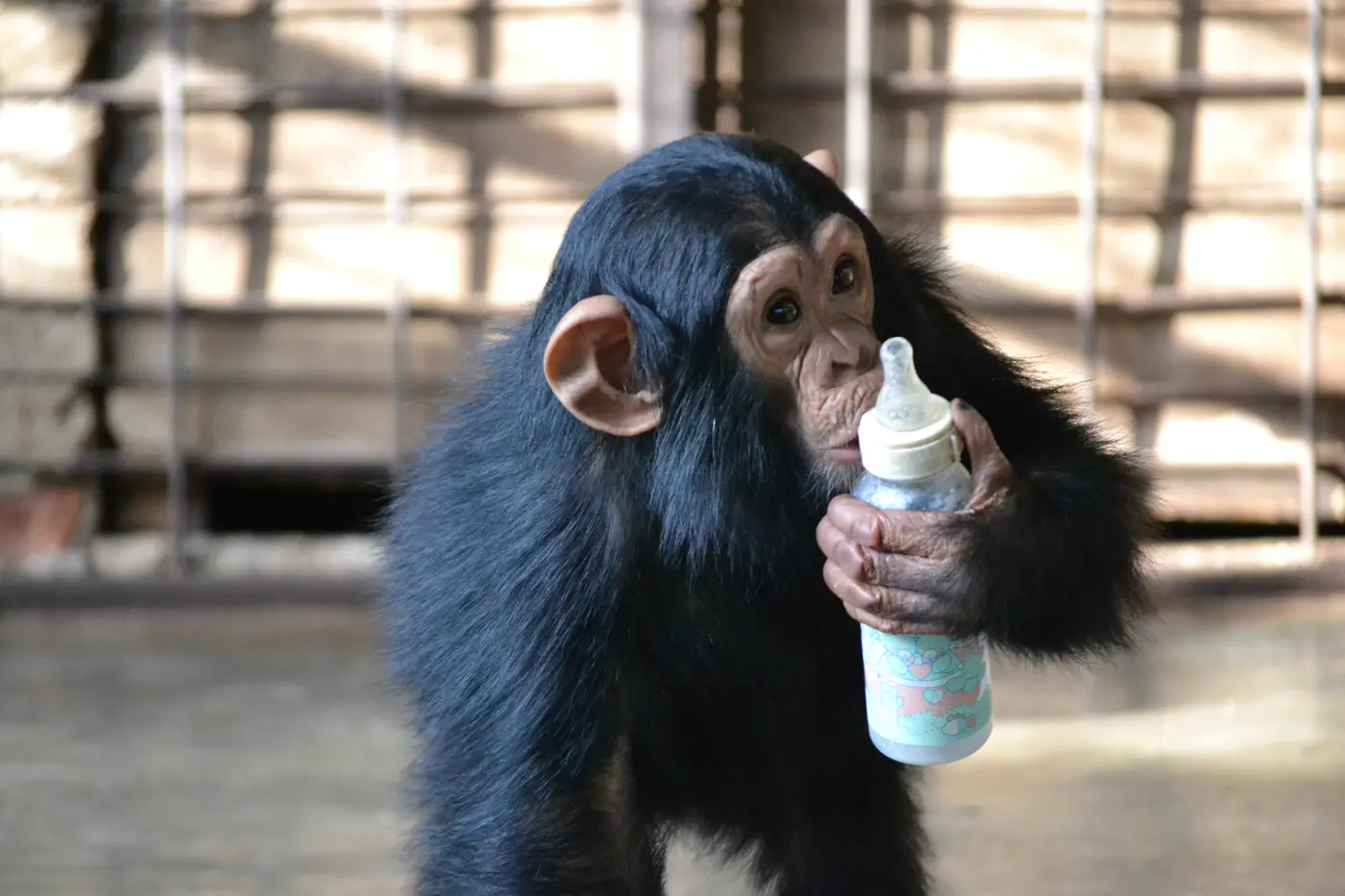
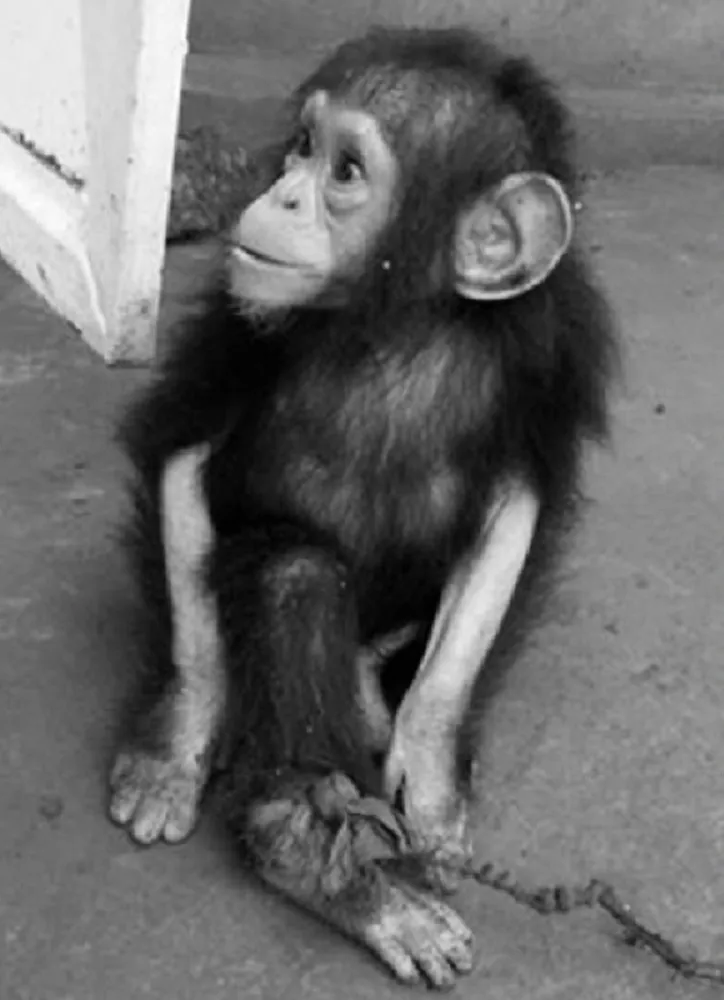
One of the Chimpanzees supported by Omogolo is Juwa. He was confiscated by the DRC authorities on April 7 after being kept in very poor conditions. Severely malnourished, he had spent a long time confined in a dark room. Like many Chimpanzees arriving at Lwiro, he had suffered physically and experienced the trauma of losing his mother and being taken from the forest.
At Lwiro, Juwa received the veterinary care, nutrition and constant attention he needed to recover. Omogolo Wildlife Trust donated USD 2,000 towards his medical care, milk and food. His recovery represents what Lwiro seeks for every rescued Chimpanzee: the opportunity to heal, join other Chimpanzees and have a second chance at life.
Lwiro Primate Rehabilitation Center
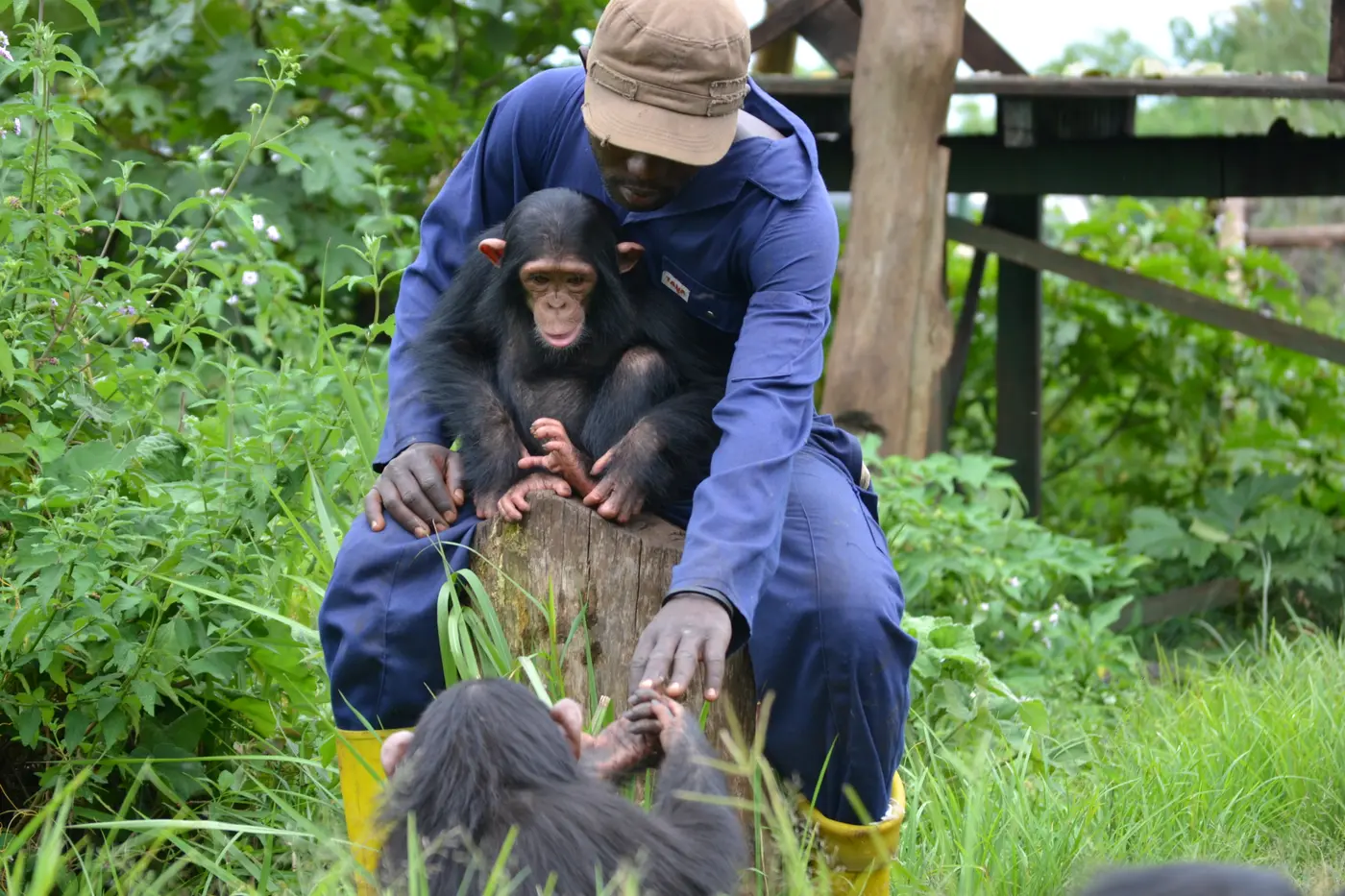
The Lwiro Primate Rehabilitation Center (CRPL) is located in South Kivu, in the eastern Democratic Republic of Congo, close to Kahuzi-Biega National Park. Founded in 2003, it was created in response to the growing number of orphaned primates confiscated from the illegal bushmeat and pet trades.
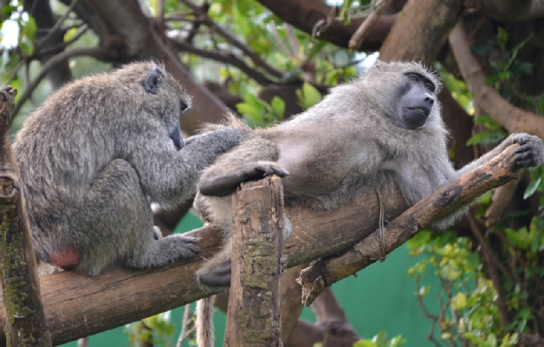
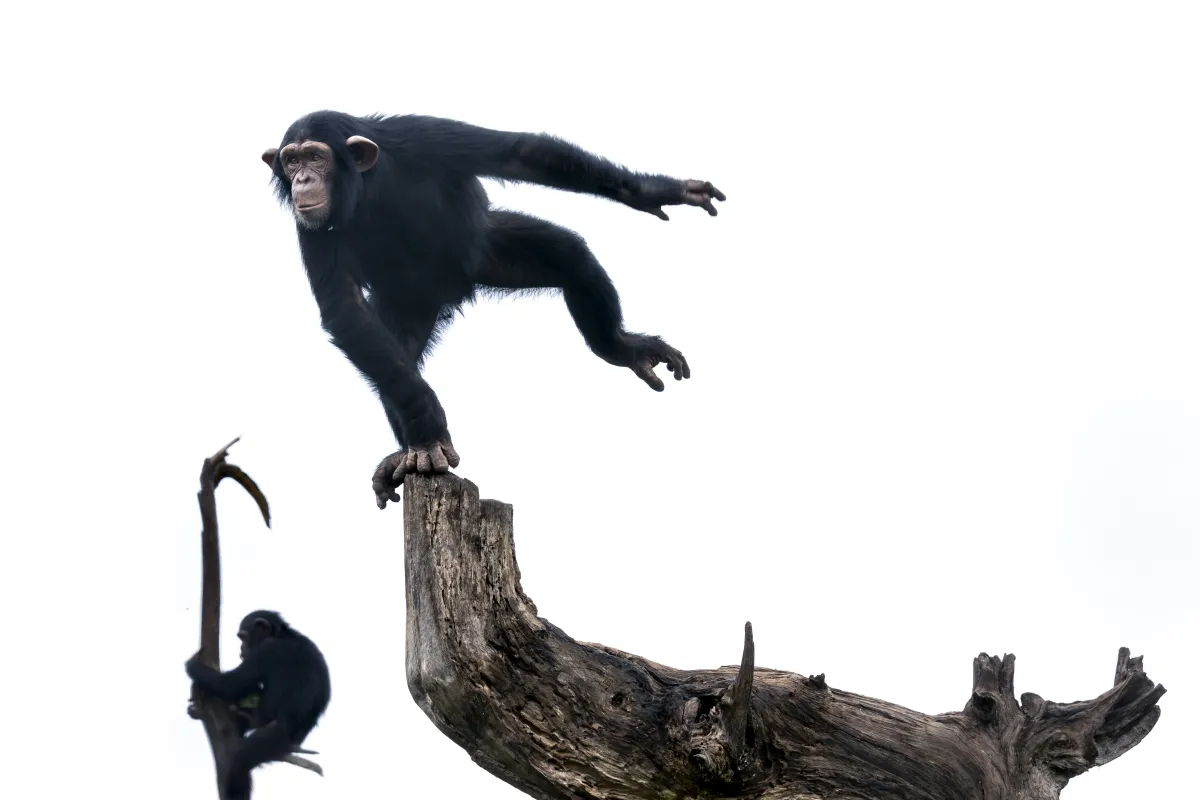
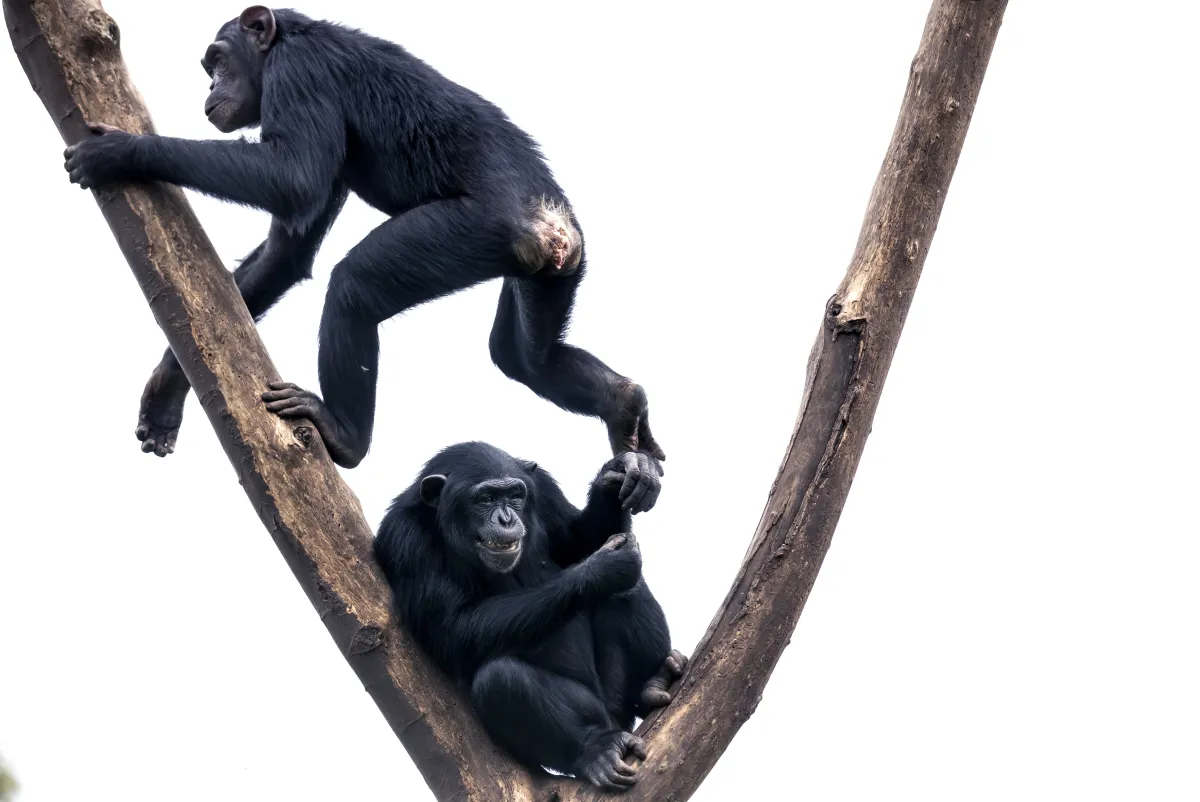
Today, Lwiro cares for around 130 Chimpanzees and nearly 100 monkeys representing 14 species, as well as other rescued wildlife. It is the only Chimpanzee sanctuary in eastern DRC, a member of the Pan African Sanctuary Alliance (PASA) since 2010 and accredited by the Global Federation of Animal Sanctuaries (GFAS).
-
The impact of conflict and poaching
Chimpanzees in eastern DRC face serious threats from habitat loss, poaching, the bushmeat trade and illegal wildlife trafficking. When an infant is captured, the mother is usually killed, and other group members may also die trying to protect the baby. The conflict makes wildlife protection even more difficult. Since early 2025, Lwiro and neighbouring communities have again been directly affected by armed conflict, yet the team has remained at the sanctuary and continues providing daily food, veterinary care and protection.
-
Rehabilitation and a future back in the wild
When orphaned Chimpanzees are confiscated, Lwiro gives them a safe place to recover. Many arrive traumatized, malnourished, injured or ill. Rehabilitation can take years and includes veterinary treatment, proper nutrition, close care, socialization and gradual integration into larger Chimpanzee groups. Lwiro is also working towards a long-term reintroduction programme, beginning with the selection and preparation of suitable candidates for a future return to the wild.
IUCN Red List Endangered
The Eastern Chimpanzee is classified as Endangered
The Eastern Chimpanzee (Pan troglodytes schweinfurthii) is classified as Endangered on the IUCN Red List. Protecting wild populations requires action against poaching and trafficking and the protection of their forest habitat. Sanctuaries such as Lwiro are also essential for Chimpanzees who have already become victims of these threats.
Protecting primates also means working with the people who live alongside them. Lwiro runs conservation education and awareness programmes, employs dozens of Congolese staff and buys fresh food locally every week, supporting surrounding farmers and market sellers, many of whom are women. Lwiro also trains young African veterinarians in wildlife medicine, helping to build local expertise and a new generation of conservation professionals.
The daily running costs
Providing lifelong care for so many rescued animals requires significant resources every day. Fresh food, infant milk, veterinary medicines, laboratory tests, enclosure maintenance, keeper salaries and enrichment are all essential to maintaining high standards of animal welfare.
Lwiro must also maintain and expand its facilities as Chimpanzee groups grow and their needs change. Omogolo Wildlife Trust helped expand Lwiro’s Chimpanzee nursery and has made several donations towards Chimpanzee care over the years, supporting both essential daily needs and longer-term improvements.
The care of newly rescued babies is particularly expensive. They often arrive severely malnourished and traumatized and require intensive veterinary, nutritional and psychological support. Every contribution helps Lwiro continue providing food, care, protection and rehabilitation.
Even during conflict and insecurity, their needs do not stop – and neither does Lwiro’s commitment to them.
Give to the Chimpanzees at LwiroLife at Lwiro
How they arrive
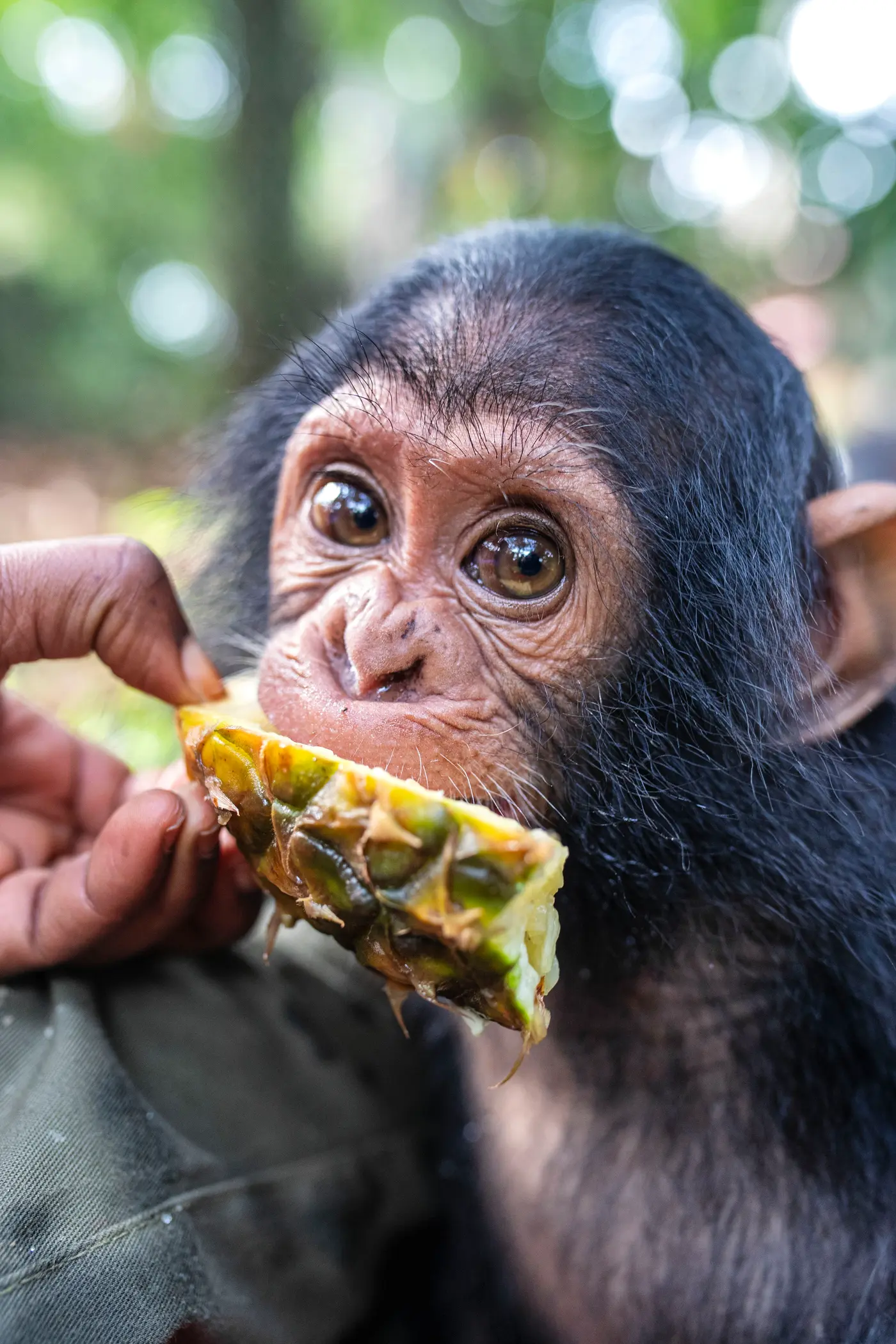
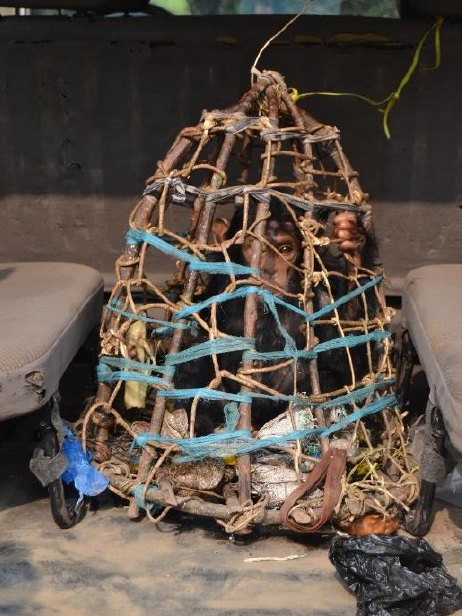
Most Chimpanzees arriving at Lwiro have already experienced severe trauma. Behind every infant found in captivity is usually a much larger story: a mother killed, a family group disrupted and a young Chimpanzee removed from the forest.
Some have been kept alone, tied up or confined in tiny spaces; others arrive malnourished, sick or injured. Juwa had spent months in a dark room and was severely malnourished before he was confiscated in a joint action by CRPL and ICCN. His recovery shows why confiscation, rehabilitation and long-term support for sanctuaries are so important.
Give to Primates in DRC
100% of your donation goes to this project. We work for the foundation on an unpaid basis and cover bank charges and other overhead costs out of our own pockets.